When you turn off your thermostat, you expect your HVAC system to stop blowing air through the vents. However, in some cases, the fan may continue to run, even when the thermostat is set to “off.” This can be frustrating, especially if you’re trying to conserve energy or reduce your monthly utility bill.
When a thermostat is turned off but continues to blow air this could be due to a thermostat that is set to circ mode, an intermittent short-circuit, a defective thermostat, or a malfunctioning fan limit switch.
Thermostat Turned Off But Still Blowing Air (Causes and Fixes)
| Possible cause | Solution |
| Thermostat set to circ | Turn off the circ setting |
| intermittent short-circuit | Examine the wiring at both ends |
| Defective thermostat | Replace thermostat |
| Malfunctioning fan limit switch | Clean or replace fan limit switch |
So, let’s dive in and explore what might be causing your HVAC system to blow air when it’s not supposed to.
Thermostat Set to Circulate Mode
If your thermostat is set to “circulate” mode, it will continue to run the fan even when the heating or cooling system is not actively heating or cooling the air. This setting is designed to help improve air circulation throughout your home.
Circulate mode can be a great feature, but it can also be confusing if you’re not aware of how it works. Some homeowners may mistake the constant airflow for a malfunctioning system, which can lead to unnecessary repairs or service calls.
If you’re experiencing constant airflow when the thermostat is set to “off,” the first thing you should check is whether your thermostat is set to “circulate.” If it is, then the constant airflow is a normal function of the system. If you don’t want the fan to run continuously, switch the thermostat to “auto” mode instead.
It’s important to note that while circulate mode is designed to improve air circulation, it can also lead to increased energy consumption and higher utility bills. If you’re concerned about the energy costs associated with this feature, consider switching to “auto” mode.
Read also: Honeywell thermostat won’t run off fan
Intermittent Short-Circuit
An intermittent short-circuit is another common reason why your thermostat may be malfunctioning and causing the thermostat to continue blowing air when it is turned off.
Short-circuits can occur for a variety of reasons, including faulty wiring or damaged components. Over time, wear and tear can cause wires to become frayed or damaged, which can lead to short-circuits. In some cases, pests or rodents can chew through wiring, causing shorts to occur.
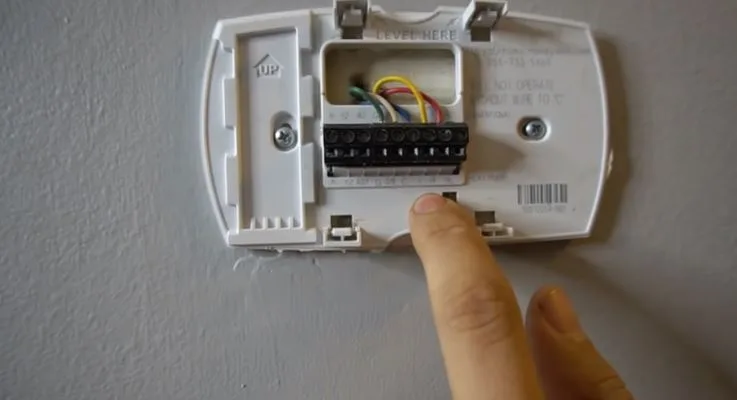
You may need to examine the wiring at both ends, the thermostat and furnace terminal block fr signs or shorts.
In addition to repairing any short-circuits, it’s also a good idea to have your HVAC system inspected regularly to ensure that all components are in good working order. Regular maintenance can help prevent issues like short-circuits from occurring in the first place, which can save you time, money, and stress in the long run.
See also: Ac condenser unit running but no air blowing inside
Defective Thermostat
A defective thermostat is another possible reason why your thermostat may be continuing to blow air even when it’s turned off. Over time, thermostats can become damaged or worn out, leading to malfunctioning
One sign of a defective thermostat is if your HVAC system is constantly running, even when the thermostat is set to “off.”
If you suspect that your thermostat is the problem, there are a few things you can do to troubleshoot the issue. First, try replacing the batteries in your thermostat. In some cases, a low battery can cause the thermostat to malfunction. If replacing the batteries doesn’t solve the problem, you may need to replace the thermostat altogether.
Replacing a thermostat can be a DIY project for some homeowners, but it’s important to follow manufacturer instructions carefully to ensure that the replacement is installed correctly. If you’re not comfortable doing this yourself, it’s always best to contact a licensed HVAC professional to handle the replacement.
A professional technician can also diagnose and repair any underlying issues that may be causing your thermostat to malfunction, such as faulty wiring or damaged components. By addressing these underlying issues, you can ensure that your new thermostat functions properly and that your HVAC system is operating safely and efficiently.
Read also: ac condenser unit blowing cold air outside
Malfunctioning Fan Limit Switch
A malfunctioning fan limit switch is another possible reason why your thermostat or HVAC system may continue to blow air even when the thermostat is turned off.
The fan limit switch is responsible for turning the blower fan on and off as needed to regulate temperature and maintain airflow. If the fan limit switch is malfunctioning, the fan may continue to run even when it shouldn’t be.
There are a few signs that may indicate a malfunctioning fan limit switch. One sign is if the fan continues to run even when the heating or cooling system is not actively heating or cooling the air. Another sign is if the fan runs continuously without turning off at all.
If you suspect that a malfunctioning fan limit switch is causing your HVAC system to blow air when it’s not supposed to, you can try cleaning it. It is typically located in the furnace’s blower compartment area.
Common Reasons Your Air Conditioner Won’t Shut Off
If your air conditioning system refuses to power down, several underlying issues might be at play. Here are some common culprits:
1. Electrical Malfunctions
Air conditioning systems comprise multiple electrical components. A malfunctioning relay switch, for instance, may remain stuck, preventing the circuit from opening and causing the unit to run continuously.
Similarly, a faulty compressor contactor can fuse in the closed position, resulting in constant operation. Typically, these issues require a technician’s intervention to replace the defective component.
2. Defective Thermostat
Thermostats should ideally be replaced every 10 years. Over time, sensors can accumulate dust, leading to inaccurate temperature readings. Additionally, wiring issues may disrupt communication between the thermostat and the air conditioning unit, causing it to operate incorrectly.
3. Incorrect Thermostat Settings
Sometimes, the problem may stem from simple thermostat settings. If the fan setting is set to “ON,” the blower motor will run continuously, even when the cooling system is not activated. Ensure the thermostat is set to “AUTO” to allow it to cycle appropriately.
4. Stuck Fan Limit Switch
Even if the thermostat is correctly configured, the fan limit switch may be stuck in the “ON” position. This means the fan continues to operate regardless of whether the air conditioning system is cycling. A reset of the limit switch can typically resolve this issue.
5. Dirty Condenser Coils
The condenser coils play a critical role in the cooling process. If dirt and debris accumulate on these coils, they cannot efficiently release heat, which can force the air conditioner to run longer than necessary. Regular cleaning of the condenser unit is vital to maintaining its efficiency.
6. Blocked Outdoor Unit
An outdoor condenser unit that is obstructed by debris can severely limit airflow, forcing the system to work harder to cool your home. Grass clippings, mulch, or weeds can block airflow and should be cleared away to ensure optimal performance.
7. Frozen Evaporator Coils
If you feel warm air blowing from your vents while the air conditioner is running, the evaporator coils may be frozen. This can occur due to a variety of factors, such as restricted airflow from a dirty filter, low refrigerant levels, or even clogged drain lines. Ice formation on the coils prevents proper heat absorption, leading to inefficiency.
8. Clogged Air Filter
A dirty air filter can significantly impede airflow through the system, forcing the air conditioner to work harder to cool your home. Regularly replacing or cleaning the air filter can help avoid this issue and improve overall efficiency.
If you need to replace the filter, our HVAC Air Filter Buying Guide covers filter types, MERV ratings, and sizing for every system.
9. Low Refrigerant Levels
Refrigerant is crucial for your air conditioning system’s ability to absorb and transfer heat. If there are leaks in the refrigerant lines or if other components are damaged, low refrigerant levels can lead to prolonged operation as the system struggles to maintain a comfortable temperature.
10. Low Fan Speed
If the blower fan isn’t operating at the correct speed, it won’t circulate enough cool air, leading the system to work harder to achieve the desired temperature. Dirt buildup on fan blades can hinder performance, so regular maintenance is important.
11. Incorrect System Size
Lastly, if your air conditioning unit is undersized for your home, it may be unable to effectively cool the space, causing it to run continuously. Ensuring that your air conditioner is appropriately sized for your home is critical for both efficiency and comfort.
12. Fan Setting Configuration
One of the primary reasons your HVAC system might keep blowing air is due to the fan setting on your thermostat. Most models offer two settings: “Auto” and “On.”
- Auto Setting: The fan operates only when the heating or cooling system is actively working.
- On Setting: The fan runs continuously, regardless of whether the heating or cooling is functioning.
Real-Life Example
A friend of mine once faced a similar situation, perplexed by his HVAC system blowing air despite turning off the thermostat. The culprit? He had inadvertently switched the fan setting to “On.” Switching it back to “Auto” resolved the issue swiftly.
13. Wiring Problems
Faulty or damaged wiring can lead to erratic behavior in your HVAC system. If the wires connecting your thermostat to the system are compromised, they may not relay the correct signals, causing the air to blow continuously.
Professional Insight
According to the U.S. Department of Energy, improper wiring is a leading cause of HVAC malfunctions. If you suspect wiring issues, it’s prudent to seek help from a qualified technician.
14. Thermostat Malfunction
Occasionally, the thermostat itself may be the source of the problem. A malfunctioning thermostat can fail to send accurate signals to the HVAC system, resulting in continued air circulation even when you believe the system is off.
Expert Opinion
Investing in a high-quality, programmable thermostat can be beneficial. Smart thermostats not only optimize your HVAC system’s efficiency but also offer diagnostic alerts that can preemptively flag issues.
15. Continuous Fan Mode Activation
Many HVAC systems feature a continuous fan mode that can operate independently of the thermostat settings. This mode can enhance indoor air quality by promoting continuous air circulation.
Statistical Insight
According to the Environmental Protection Agency (EPA), running the fan continuously can reduce indoor air pollutants by up to 30%. However, ensure that this setting isn’t activated inadvertently, as it may lead to unexpected air circulation.
16. System Override Functions
Some HVAC systems come equipped with an override feature that allows operation even when the thermostat is turned off. This feature can be handy during emergencies or maintenance periods.
Consultation Recommendation
If you suspect your HVAC system has an override function, refer to the user manual or reach out to a professional for clarification.
Simple Checks Before Calling a Professional
Before you reach out to a professional for air conditioning issues, try these easy checks:
- Double-Check Your Thermostat Settings: Make sure your thermostat is set to “cool” instead of just “fan.” Check for low batteries and ensure that programmed settings are correct. If necessary, reset the thermostat to its default settings.
- Clean Air Filters: A dirty air filter can restrict airflow, causing your AC to work harder and potentially freeze up. Clean or replace the filter monthly to improve efficiency and prevent strain on the system.
- Check for Blocked Airflow: Inspect your AC’s indoor and outdoor units for obstructions. Move any furniture, plants, or debris that may block air intake or exhaust.
- Inspect for Frozen Coils: A frozen evaporator coil can prevent cool air from circulating. If you notice frost, turn off the AC and let it thaw. Investigate the underlying cause, such as a clogged filter or low refrigerant levels.
- Listen for Unusual Noises: Your AC should hum quietly. Sounds like grinding or clanging may indicate issues with components or leaks. If you hear strange noises, turn off the unit and call a qualified HVAC professional.
When to Call an HVAC Specialist
If the simple checks don’t resolve the issue, or if you’re unsure about handling electrical components or refrigerant, it’s time to contact a licensed HVAC professional. Situations that warrant a call include:
- Complex Electrical Issues: Avoid DIY repairs on electrical parts. Professionals are trained to handle these safely.
- Refrigerant Leaks: Leaks can decrease efficiency and harm your unit. Only professionals should identify and repair refrigerant issues.
- Replacing Major Components: Tasks like replacing compressors or evaporator coils require professional expertise for safe and effective installation.
Is It Normal for an Air Conditioner to Run Constantly?
It’s important to note that even in low temperatures, your air conditioner should not run continuously. Typically, a well-functioning AC unit should cycle on and off, operating about two to three times per hour for approximately 15 to 20 minutes each time. If your system remains on for extended periods, it’s time to investigate the cause.
Running your air conditioner non-stop not only wastes energy but also puts undue stress on the system, potentially leading to costly repairs or even replacement.
Final thoughts.
In conclusion, a malfunctioning thermostat, fan limit switch, or short-circuit can all cause your HVAC system to continue blowing air even when it’s turned off. By understanding these common issues, you can troubleshoot the problem .
Regular maintenance can also help prevent these issues from occurring in the first place, ensuring that your HVAC system operates safely and efficiently.
More resources
https://www.aireserv.com/about/blog/2020/september/why-does-the-fan-keep-running-on-my-air-conditio/
https://skyheating.com/blog/5-hidden-benefits-of-always-running-your-hvac-fan/
For the complete reference on thermostat wiring terminals, wire colors, and heat pump configurations, see the Thermostat Wiring Guide.


